Capturing Attention in the Toy Aisle
A shopper walks down a crowded toy aisle, eyes scanning past dozens of similar packages. Within seconds, a stepped, multi-level display catches their attention—each tier angled to present products clearly, with bold graphics that reinforce the brand. This is the moment a well-designed floor display earns its keep. For toy and game brands, the retail environment is a battlefield of color, noise, and competing shapes. A custom tiered cardboard display stand cuts through that clutter by creating a dedicated, organized presentation that invites browsing and drives impulse purchases.
At One Plus Display, we engineer floor-standing display units (FSDUs) that combine structural integrity with retail-ready aesthetics. Our SKU-202606120652-TOY is a prime example: a multi-tiered corrugated cardboard stand tailored for collectibles, board games, and novelty toys. Unlike generic shelving, this unit is designed from the ground up to meet the specific weight, dimension, and branding needs of toy products. The result is a display that not only looks sharp but also withstands the rigors of a busy retail floor.
This article explores why the tiered floor display format excels for toys and games, the engineering decisions behind its construction, material options, and how to customize a unit that aligns with your brand and retail strategy.
Why Tiered Floor Displays Win for Toys and Games
Toy packaging varies wildly—from small blind boxes to large board game boxes. A tiered display accommodates this diversity by offering multiple shelf levels with adjustable depths and angles. Each tier can be sized to fit specific product categories, ensuring that everything from collectible figures to family games is presented at an optimal viewing angle. This step-down layout also creates a natural visual hierarchy, guiding the shopper’s eye from top to bottom and encouraging them to explore the full range.
Beyond organization, tiered displays maximize vertical space. In retail, floor space is expensive; going vertical allows you to showcase more SKUs without expanding the footprint. The angled shelves improve product visibility from a distance, making the display a beacon in the aisle. For toys, where impulse buying is common, this visibility is critical. Additionally, the tiered structure provides ample surface area for branding—headers, side panels, and shelf lips can all carry vivid graphics that reinforce the brand and communicate key selling points.
Compared to flat shelves or pegboards, tiered corrugated displays are lightweight, cost-effective, and easy to assemble. They can be shipped flat and set up in minutes, reducing labor costs for retailers. When designed correctly, they offer a compelling blend of form and function that benefits both the brand and the retailer.
Structural and Engineering Decisions
Designing a tiered cardboard display for toys requires careful consideration of load distribution, stability, and assembly. The first step is to determine the weight and dimensions of the products to be displayed. While we do not publish specific load ratings without testing, we engineer each unit with a safety factor that accounts for typical retail conditions. The corrugated flutes are oriented vertically in load-bearing components to maximize compression strength. Horizontal shelves are reinforced with double-wall or triple-wall corrugated where needed, and interlocking tabs and slots ensure a snug fit without adhesives.
The base of the display is designed for stability. A wider footprint and low center of gravity prevent tipping, even when fully loaded. For taller units, we may incorporate a back panel that adds rigidity and prevents racking. The tiered shelves themselves are often angled slightly downward to improve product visibility and to keep items from sliding forward. This angle is achieved through die-cut supports that are integrated into the side panels.
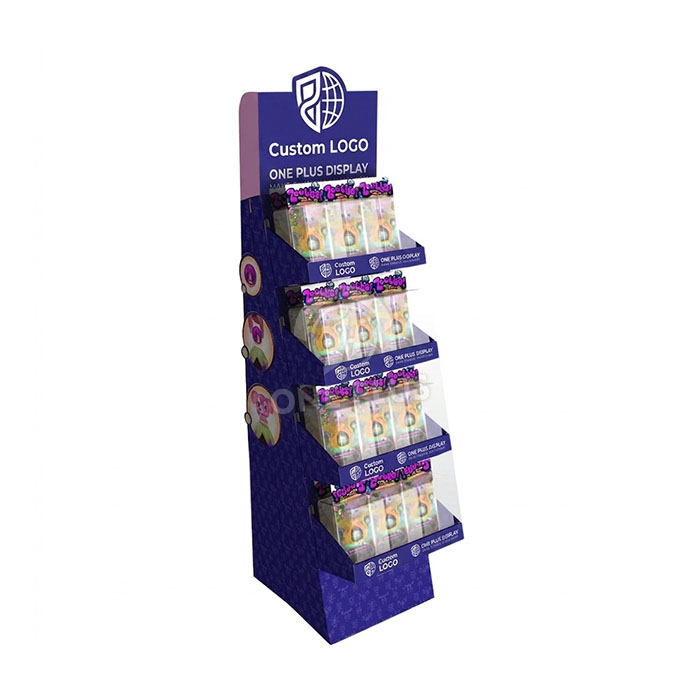
Assembly is another engineering focus. We use a combination of interlocking tabs, slots, and sometimes removable pins to allow for quick, tool-free setup. The design is tested for ease of assembly by actual users, ensuring that retail staff can build the display without frustration. Additionally, we consider how the display will be disassembled or recycled after the promotion—corrugated cardboard is fully recyclable, aligning with sustainability goals.
Materials and Finishing Options
The primary material for this display is industrial-grade corrugated cardboard, but not all corrugated is created equal. We offer a range of flute profiles—B-flute, C-flute, E-flute, and combinations—to balance strength, printability, and weight. For heavy toys, we might specify a double-wall C-flute for shelves and a single-wall B-flute for non-load-bearing panels. The choice depends on the product mix and the desired lifespan of the display.
Beyond corrugated, we can integrate other materials for enhanced durability or aesthetics. PVC foam board is an excellent option for shelves that need extra rigidity or for headers that require a premium, smooth finish. Acrylic can be used for small bins, dividers, or display windows, adding a high-end feel and allowing products to be seen from multiple angles. These materials can be combined with corrugated in a single unit, with each component selected for its specific role.
Finishing options are equally important. We offer full-color lithographic printing directly on the corrugated, which provides vibrant, photo-quality graphics. For a more premium look, we can apply a matte or gloss varnish, or use specialty coatings like soft-touch. Die-cut windows, embossing, and foil stamping can further elevate the display. All finishing is done in-house to ensure consistency and quality.
Merchandising and Retail Placement
Where a display is placed in the store significantly impacts its effectiveness. For toys, high-traffic areas such as the main aisle, endcaps, or dedicated promotional zones work best. The tiered design allows for cross-merchandising—for example, placing a new collectible line on the top tier, related accessories on the middle, and impulse items on the bottom. This encourages multiple purchases.
The display’s footprint should be considered: a compact base with a tall, narrow profile fits well in tight spaces, while a wider unit may require more floor space but can hold more product. We can design the display to be modular, allowing retailers to adjust the number of tiers or add side wings for additional capacity. Graphics should be aligned with the retail environment—bold colors for mass merchants, more subdued tones for specialty stores.
Integration with existing fixtures is also possible. The display can be designed to sit on a shelf or counter, or to stand alone. For maximum impact, we often recommend a header sign that extends above the unit, drawing attention from afar. Side panels can carry QR codes or promotional messaging, turning the display into an interactive marketing tool.
Customization and Production Workflow
Every toy brand has unique requirements, so we approach each project as a custom build. The process begins with a consultation to understand your product dimensions, weight, quantity, and branding goals. Our design team then creates a 3D rendering and a die-line for your approval. We can prototype the display using our in-house sample-making equipment, allowing you to test assembly and appearance before committing to full production.
Once the design is finalized, production moves to our manufacturing floor. We use high-speed die-cutting machines, automatic folder-gluers, and digital or lithographic presses to produce the components. Quality checks are performed at each stage, from material inspection to final assembly. Because we are a factory-direct manufacturer, we control lead times and can accommodate rush orders when needed.
We also offer a range of customization options: variable shelf heights, adjustable angles, custom cutouts for product shapes, and integrated lighting (LED strips) for high-impact displays. Packaging and logistics are planned to minimize shipping costs—displays are shipped flat, with clear assembly instructions included. For international orders, we can optimize the packaging to fit standard pallets and containers.
Three Concrete Use-Case Scenarios
Scenario 1: Collectible Figure Launch
A toy company launches a new line of collectible figures. They need a display that showcases the entire series while allowing easy restocking. We design a tiered unit with six angled shelves, each holding a row of figures. The header features the brand logo and a “Collect Them All” message. The display is placed at the end of an aisle in a major retail chain, driving impulse purchases.
Scenario 2: Board Game Promotion
A board game publisher wants to promote a family game during the holiday season. The display includes three wide tiers to accommodate large game boxes, with a built-in shelf for demo copies. Side panels feature gameplay images and a QR code linking to a how-to-play video. The unit is placed in the toy department’s central aisle, capturing shoppers’ attention.
Scenario 3: Novelty Toy Impulse Buy
A distributor of novelty toys needs a compact display for checkout areas. We create a small, countertop version with four tiers, each holding small impulse items. The display is printed with vibrant graphics and includes a “Pocket Money Toys” sign. It sits on the checkout counter, encouraging last-minute additions to shopping carts.
Assembly, Packing, and Logistics
Our displays are designed for efficient assembly. Most units can be set up in under ten minutes without tools, using interlocking tabs and slots. We provide printed instructions and, for larger orders, can include a QR code linking to a video tutorial. This reduces the burden on retail staff and ensures the display is correctly assembled.
For packing, we ship displays flat in corrugated cartons, with components labeled and organized. This minimizes shipping volume and reduces freight costs. We can also pack multiple displays per carton to further optimize logistics. For international shipments, we ensure that packaging meets ISTA standards (we do not claim specific certifications without testing) and can provide custom palletization.
We work closely with your logistics team to coordinate delivery schedules, whether you need displays delivered to a central warehouse or directly to individual retail locations. Our goal is to make the process seamless from production to installation.
Frequently Asked Questions
Can the display be customized to fit my specific product dimensions?
Absolutely. We design each unit based on your product sizes and weights. Provide us with the dimensions and we will create a tailored solution.
What is the typical lead time for a custom order?
Lead times vary based on complexity and quantity, but generally range from 4 to 6 weeks after design approval. Rush options are available.
Is the cardboard display durable enough for long-term use?
Yes, with proper material selection. For extended use, we recommend double-wall corrugated and reinforced shelves. The display can last for months in a retail environment.
Can I include other materials like PVC or acrylic?
Certainly. We often combine corrugated with PVC foam board or acrylic for specific components to enhance durability or aesthetics.
Ready to Elevate Your Toy Display?
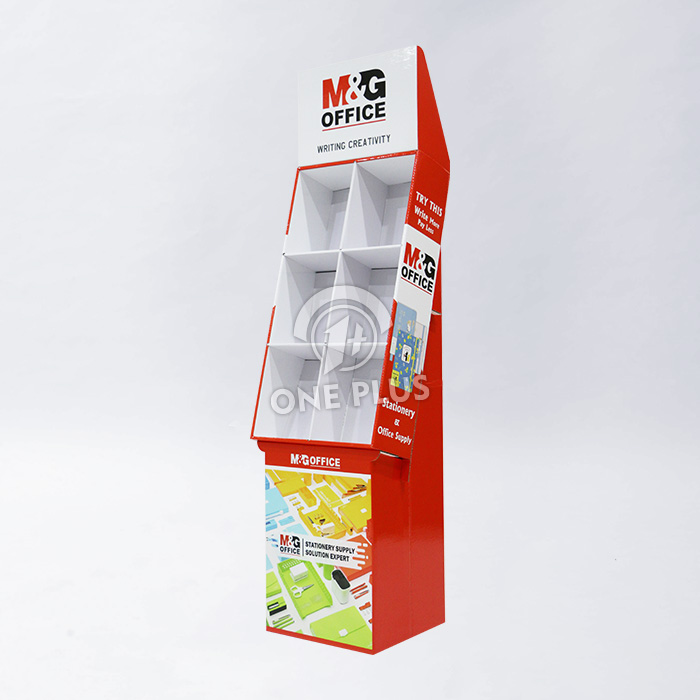
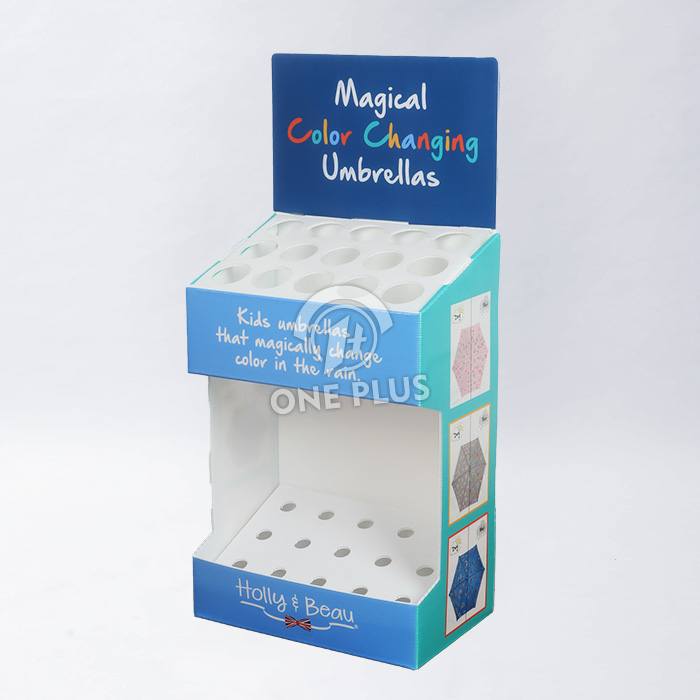
If you’re looking for a custom tiered cardboard display that captures attention and drives sales, One Plus Display is here to help. Our factory-direct manufacturing ensures competitive pricing, quality control, and fast turnaround. Explore our напольных стоек из гофрокартона for more inspiration, or check out our related solutions like the custom cardboard floor display rack for stationery/office supplies и custom PVC display stand floor rack for umbrellas & parasols. Contact us today to discuss your project and receive a quote.